Wildfire Smoke Prep Checklist
Wildfire smoke is one of the biggest reasons to prep for fire season, even for those who don't live close to at risk areas. Smoke can affect communities that are far from the fire itself, and during heavy smoke conditions, everyone is at risk regardless of age or health status.
When most people think about wildfire season, they think about evacuation and large active fires, but the more common day to day disruption is smoke. Smoke affects our air quality, our plans, our commute, our comfort at home, and our ability to spend time outdoors. Wildfire smoke can show up quickly and change throughout the day, which is why we need to be prepared before conditions get worse.
Start by Checking How You Will Monitor Air Quality
The first step in your smoke prep plan is knowing where you will get updates. The AQHI provides local air quality conditions and forecasts, and Environment and Climate Change Canada also provides air quality model forecast maps that show wildfire smoke and pollutant dispersion. Checking these sources can help you decide when to modify outdoor plans, close windows, or start moving activities indoors.
Make Sure to Have Respirator Masks Ready
One of the clearest steps households can take before smoke season is to keep well fitting respirators inside of your house and emergency kits. Masks are useful but they are only one part of your plan, and they're most helpful when paired with other protective steps such as limiting time outdoors when there is heavy smoke and improving the air indoors by using air purifiers. For most households, it makes sense to keep several masks in an easy to reach place at home and an extra one or two for everyone in your household in your car and go bag.
Make Sure Your Indoor Air is Clean
Smoke preparedness extends to inside of your home as well and it's important to know what your home will feel like when air quality worsens. Preparing for wildfire smoke events by using an air filter and changing the filters regularly will be helpful for your family. Some steps to take to ensure this are: decide which room in your house is easiest to keep comfortable in case smoke quality is bad enough for you to have to stay in one room with an air filter, check whether you need replacement filters, and make sure that you have a portable air filter ready to use.
Build a Smoke Readiness Kit
Your smoke readiness kit should have everything that you need for a smoky day including:
- Respirator masks
- A charged power bank
- Water
- Important medications
- Flashlight
- Copies of important phone numbers
- Comfort items for any children or pets
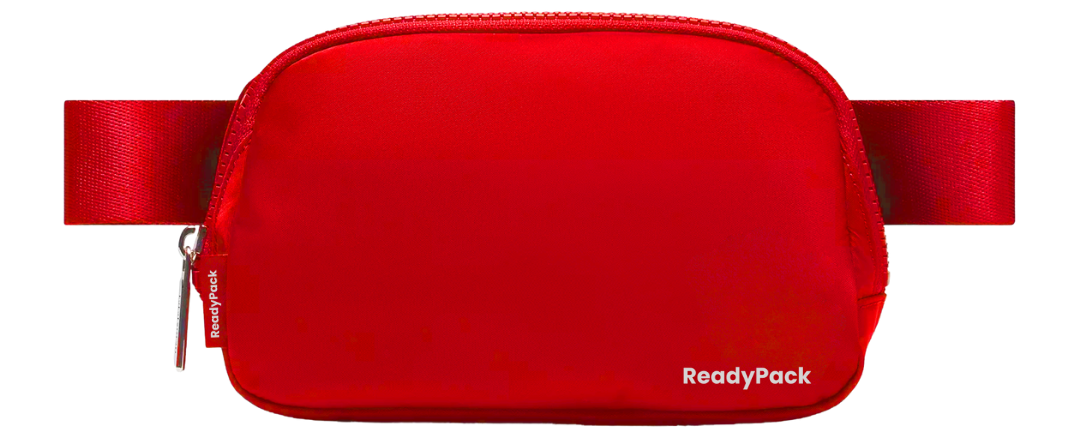
A lot of these can be found in our Fire Season Essentials Kit
Make A Plan for Household Members Who Need Extra Protection
Health Canada notes that some people are more likely to experience symptoms or health effects from wildfire smoke because of age, pregnancy, existing illness, or other health factors, and that during heavy smoke conditions, everyone faces some risk. That makes it especially important to think ahead if your household includes young children, older adults, pregnant people, or someone with asthma, heart disease, or another condition affected by poor air quality. Your plan may include speaking with your doctor, checking medications, and making a plan for when to stay inside or reduce the amount of difficult activities that you do outside (like running or hiking).
While you may never face an evacuation, smoke can still affect your home, routine, and health, so make sure that you're prepared and have all of the basics in place before hand.