Article: Fire Season in Canada: What To Do Before April 1
Fire Season in Canada: What To Do Before April 1
Wildfire season starts on April 1st and smoke, poor air quality, evacuation orders, road disruptions, and sudden changes to daily life are likely to come with it. Preparing for fire season before it starts is key to making sure that you have everything you need before the first smoky day or emergency alert. The Government of Canada recommends making a household emergency plan, building an organized emergency kit, and keeping that kit portable and easy to access, and we'll go through how to do that in this article.
Why Should You Prepare Before Fire Season Starts?
Preparing early is one of the simplest wats to reduce stress during an emergency. The federal government recommends that each household make an emergency plan to that you can act quickly, stay connected with your family, and reduce stress as much as possible in an emergency. They also recommend keeping your emergency kit organized, updated, and easy to grab so that you can leave quickly if conditions change suddenly. Even if you don't like close to an active wildfire zone, fire season can still affect you and your household as wildfire smoke can travel long distances and create air quality issues in multiple provinces and internationally. Make sure that you monitor local air quality conditions, wildfire smoke updates, and air quality alerts during smoke events.
Make a Household Emergency Plan
The first thing that you should do to prep for fire season is make a household emergency plan. Your plan should cover how your household members will contact each other if there is an emergency and you're not together, where you meet if you have to evacuate, and who's responsible for getting medications, important documents, pet supplies, and anything else that you would need in an emergency. Make sure that you have copies of you house and car insurance policies in a safe, easy to access place, as well as a written or printed list of emergency contact, plans for children, pets, and anyone with specific care needs. Evacuation timelines can change quickly, so if everyone in your house already knows where the emergency kit is, what needs to be added, and how to stay connected, then you won't be scrambling to get everything and everyone if you have to leave home in a hurry.
We have a template for this here!
Build or Refresh Your Emergency Kit
If you already have an emergency kit, check it now. Replace expired food, water, and medical supplies, update any emergency contacts, test your flashlight, charge your power bank, check the outside of the kit for any tears or damage, and make sure that your kit is stored somewhere easy to reach.
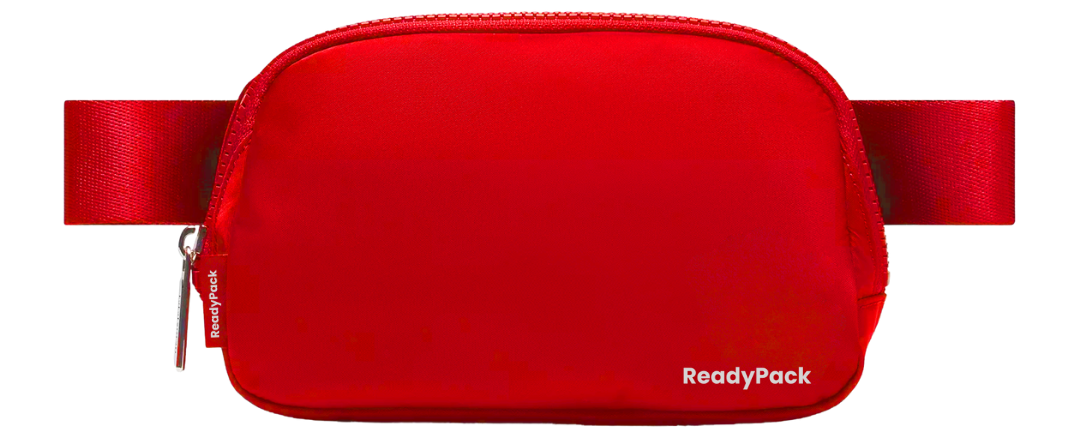
For fire season, your emergency kit should include basics like water, shelf-stable snacks, a flashlight, a phone charger or power bank, a first aid kit, copies of important information, and personal essentials like medications, and feminine care products. It's a good idea to keep your kit in one portable container that can move easily from your house to your car if needed. You need to be able to grab and go when warnings, smoke conditions, or evacuation orders happen.
Grab our Fire Season Essentials Kit as an addition to your emergency kit.
Prepare for Smoke Days, Not Just Evacuation
One of the most useful things that you can do before fire season is to prepare for smoke days. Wildfire smoke can affect your physical and mental health, and you have to make sure that you are paying attention to smoke conditions and local air quality tools. One of the main tools that you can use for this is the Air Quality Health Index (AQHI), which provides local conditions, forecasts, and health risk information.
Before the smoke arrives, have these ready:
- Well fitting respirators such as N95 or equivalent masks
- Any medications that your household may need
- A charged phone and battery pack
- A plan for where you will get alerts and updates
Think About the Air Inside of Your House
Fire season prep is not only about leaving your home in an evacuation, making your home more usable during smoke events is also something that you should consider. When smoke is present, keep windows and doors closed as much as possible, use the highest quality air filter your ventilation system can handle, and consider a certified portable air cleaner that can filter fine particles. Make sure that you are also regularly changing air filters when it's smoky because clogged filters are less effective than clean ones.
Reduce Risk Around Your Home
If you live in a place where you have control over the outdoor space around you, take some time to clean up around your house. Start with the area closest to your home (1.5 meters) and remove anything combustible, so clear leaves, debris, etc. and be mindful about what you store right against your house, deck, or attached structures. Blowing wind can carry embers and ignite materials that are near your home which can cause your house to catch fire.
Get Your Car Ready
Keep your gas tank or battery level from getting too low and make sure that you keep a phone charger in your car as well as some other emergency items like snacks, masks, water, and a flashlight.
The best emergency plan is the one that you actually complete before you need it. Fire season prep can be simple and gradual, so take some time and complete the above steps so that you're prepared for a fire emergency.