Emergency Supply Checklist (72-Hour Basics for Home + Car)
Emergencies don’t give you time to think. This checklist covers the practical supplies that help you get through the first 72 hours of a power outage, winter storm, evacuation, or disruption, without panic buying.
The 72-hour essentials (start here)
These are the basics that make the biggest difference fast:
Water
-
Water for drinking + basic hygiene (enough for 3 days)
-
Water storage containers (even clean bottles help)
Food
-
3 days of shelf-stable food you’ll actually eat
-
Manual can opener (if needed)
Health + first aid
-
Basic first-aid supplies
-
Prescription meds (as available) + key over-the-counter items
-
Copies of important medical info (allergies, conditions)
Light + power + information
-
Flashlight or lantern
-
Backup power for your phone
-
Weather/emergency updates (radio/app alerts)
Warmth + shelter
-
Warm layers + blankets
-
If winter: extra socks, hats, gloves
Hygiene + sanitation
-
Wipes / sanitizer
-
Garbage bags (multi-use)
-
Toilet paper + basic hygiene items
Documents + money
-
Copies of ID + insurance + key documents (in a waterproof pouch)
-
A little cash (small bills)
Water checklist
-
Store what you can (even starting with a few bottles is progress)
-
Keep water where you can grab it quickly (not buried in storage)
-
If you have kids/pets: add extra
Food checklist (no panic buying)
-
Choose shelf-stable items you already like:
-
canned meals/soups
-
nut butters
-
granola/protein bars
-
dried fruit
-
-
If you can’t cook: include items you can eat without heating
Light + power (what you’ll miss first)
-
1–2 reliable lights
-
Phone charging backup
-
A way to get updates if Wi-Fi/cell service is unreliable
Documents (you’ll wish you had it)
-
ID copies
-
Insurance info
-
Emergency contacts
-
Any essential household details (meds, allergies, pet info)
Add-ons for kids + pets
Kids
-
Comfort item
-
Age-appropriate snacks
-
Diapers/wipes (if relevant)
Pets
-
Food + collapsible bowl
-
Leash/harness
-
Any meds
If you only have 15 minutes today
-
Put a flashlight + charger in one spot
-
Check your pantry for 3-day food options
-
Fill and store a few water bottles
-
Write emergency contacts in your phone notes
Ready-to-go starter kit option
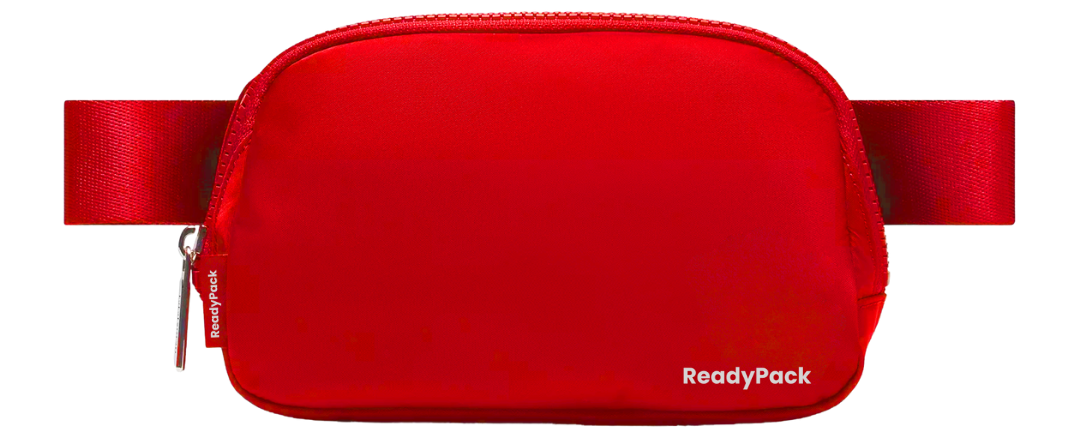
If you want to start with a compact kit you can keep in your car, entryway, or go-bag, the MiniPack is a practical first step.
Pair it with an emergency radio + phone charger so you have light, power, and updates if the power goes out.