Winter Storm: I'm Stuck in a Car
Winter roads can be icy, slushy, or just unpredictable. Give yourself extra time, leave more space between cars, and slow everything down, steering, braking, and lane changes.
If you start to skid: stay as calm as you can.
- Ease off the gas. Don't slam the breaks.
- Steer gently in the direction that you want the car to go.
- If your car has ABS (anti-lock brakes), press the brake pedal firmly and steadily. Let the system do the pulsing, don't pump the brakes yourself.
If you can't see well:
- If it's not safe to keep driving, pull over.
- Move as far off the road as you can safely manage.
- Stop and turn on your hazard lights, so that other drivers don't accidentally follow your tail lights off the road.
- Use your parking brake once you're fully stopped.
Avoid driving long distances with your hazard lights on continuously. Save them for when you're stopped or in a life-threatening situation and need help.
If the car gets stuck on the side of the road:
- Sometimes the safest option is to stay in your vehcile, especially with blowing snow or extreme cold. Leaving on foot can be risky: it's easy to get disoriented when visibility is poor.
- Stay warm and safe in the car
- Run the engine for about 10 minutes each hour to warm up the interior.
- Before you start the car, check the exhaust pipe and clear away any snow. A blocked exhaust can cause carbon monoxide to build up.
- When the engine is running, crack a window slightly to let in fresh air and help reduce the risk of carbon monoxide.
- Making yourself visible
- At night, turn on the interior light when you see vehicles nearby. It's easier to spot than exterior lights in some conditions.
- Tie a bright piece of cloth to your antenna, side mirror, or door handle to catch attention.
- Once the snow has stopped, raise your hood if it's safe to do so to signal that you need assistance.
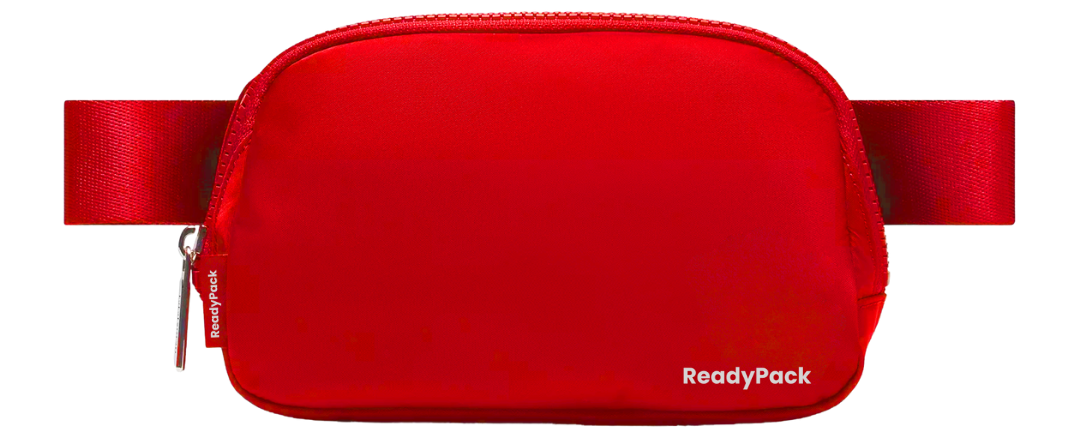
Pair these on-the-road steps with a winter car kit that includes your ReadyPack MiniPack, warm layers, blankets, and traction aids. That way, if you do end up stuck, you’ve got warmth, light, and basic first aid already in reach.