Winter Power Outage (Apartment Version)
Power outages in an apartment building feel different than in a detached house. You're higher up, sharing walls, and relying on building systems that you don't control. This guide walks you through what to do before, during, and after a winter outage if you live in an apartment or condo.
In winter, a power outage can mean:
- No heat
- No elevators
- Limited water pressure
- Dark stairwells and hallways
You likely can't use candles (fire risk), and you may not be able to leave easily if you rely on an elevator or transit.
What to do before an outage
- Know your building's plan
- Ask: How are residents notified? Is there a backup generator? Where are emergency exits?
- Keep a lights out corner
- Store your emergency supplies, extra blankets, battery or hand crank flashlight, and a small battery bank, all in one spot that you can reach in the dark.
- Fill in the gaps that your building doesn't cover
- Keep 4-6 litres of drinking water per person in a place that you can easily access it.
- Keep easy, no-cook food such as instant oatmeal, canned soup, granola bars, etc on hand.
- Plan your stair strategy
- If you live on a high floor, think about what you'd grab if you had to walk down the flights to get to the main floor. Keep your keys, wallet, phone, emergency kit, and medications in an easy to access place.
- Charge ahead of storms
- When a winter storm warning is issues, plug in everything that you may need to have them fully charged in case of an outage. This includes phones, laptops, battery banks, and any electric medical devices.
During an outage
First 10 minutes
- Check: is it just you?
- Look at the hallway lights or out the window.
- If it's widespread, check your hydro provider's outage map instead of calling 911 immediately.
- Switch to "low power mode"
- Turn off unnecessary lights and appliances so they don't all surge back on when the power returns.
- Use safe light only
- Use a battery powered or hand crank flashlight. Skip candles if possible in apartments.
Staying warm and calm
- Trap the heat that you already have
- Close curtains, windows, and unused room doors.
- Layer clothing: socks, hat, sweater, robe.
- Heat yourself, not the whole space
- Make one "cozy zone" (bed or couch) with blankets and warm layers.
- Stay off the balcony
- Balconies can be icy and windy in a winter outage. It's safer inside.
Staying informed
- Use your phone slowly
- Turn on power saver mode and avoid videos and scrolling.
- Check official sources periodically, not constantly.
After a power outage
- Turn things back on gradually
- Start with essentials: fridge, heat, lights.
- Check your fridge and freezer
- If the outage was long, toss anything questionable. When in doubt, throw it out.
- Restock your kit
- Replace used used snacks, batteries, or medications that you've used during the outage.
- Make notes for "next time"
- What felt stressful? Stairs? Light? Warmth? Add or adjust items to your setup to prepare for next time.
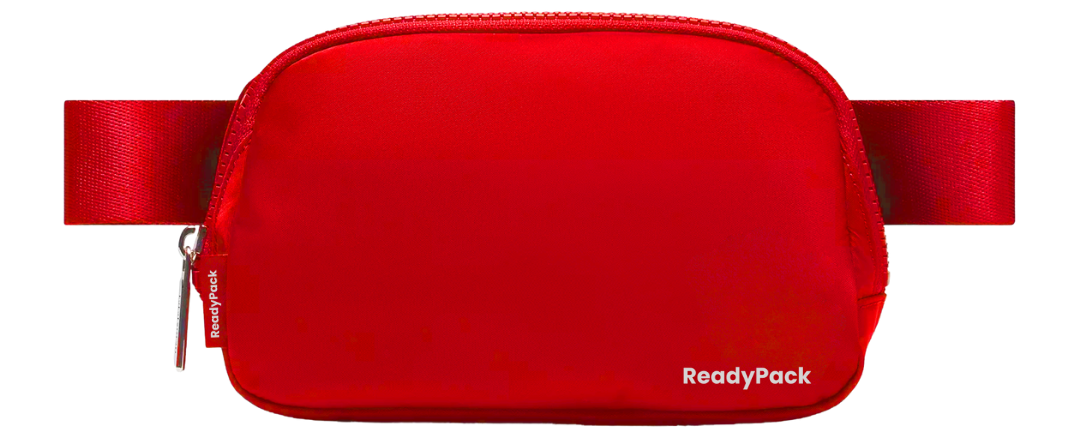
What's in your MiniPack that helps?
Your MiniPack can cover a lot of the my building is dark and cold stress:
- Light source - for hallways, stairwells, and your apartment.
- Basic first aid - for small cuts or slips in the dark.
- Comfort items - like a snack and an emergency blanket if you're cold or anxious.
- Small utilities - tape or other tools depending on your exact kit configuration.
Pair your MiniPack with extra blankets, a battery lantern, and a charged battery bank for a solid apartment outage setup.