Make it Yours: Customizing Your MiniPack for Your Life
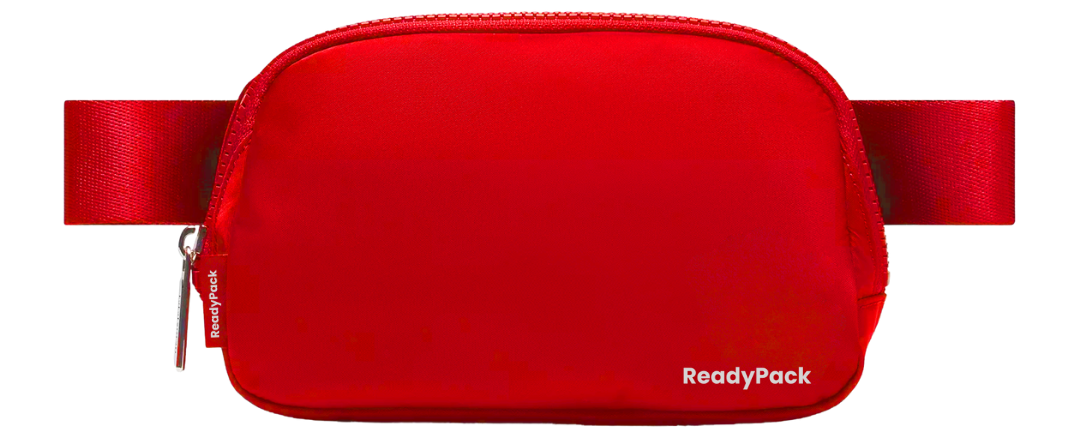
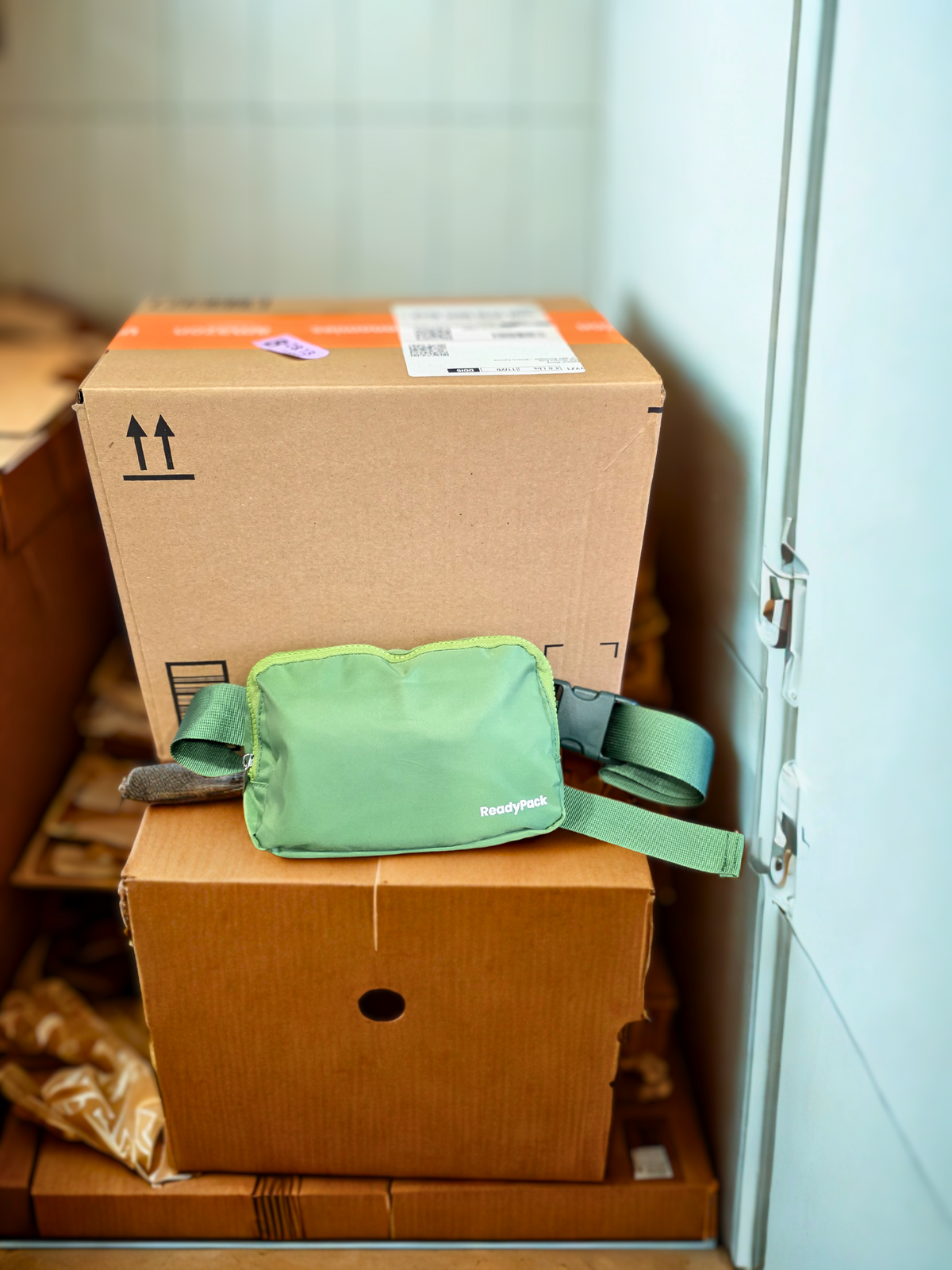
Your MiniPack comes pre-packed with everyday essentials for small emergencies.
But the truth is: no two lives look the same.
A commuter on the GO train, a parent doing school pickups, and a student living in residence all use their kits a little differently. This guide walks you through a few simple ways to personalize your MiniPack so it fits your life, without turning into a giant, overstuffed bag.
Think of this as “level two”: tiny tweaks that make your MiniPack feel like it was built just for you.
Step 1: Add Your Personal Medications
We’ve included everyday basics, but we don’t know your medical history—so this is the most important customization.
Consider adding:
-
Prescription medications you may need urgently
-
Inhaler(s) for asthma
-
EpiPen or other emergency allergy medication
-
Specific pain relief that works best for you, if different from what’s included
-
Any “I really don’t want to be without this” daily med for short outings
Tips:
-
Use a small, clearly labeled inner pouch or tiny zip bag for personal meds.
-
Write your name and the medication name on a small sticky or label.
-
If something is temperature-sensitive, check with your pharmacist before storing it in a bag or car.
If you live with others, you can also add shared items (like an extra inhaler or kid-safe pain relief), and note that on the info card.
Step 2: Add Comfort Items You Always Wish You Had
Preparedness isn’t just bandages and tablets. It’s also the little things that make hard days less miserable.
These are small, lightweight items that can quietly upgrade your day:
-
Hair tie or scrunchie – for “it’s too hot for this” hair days
-
Lip balm – especially for winter, office AC, or transit
-
Mini hand cream – dry hands during winter or constant handwashing
-
Travel tissues – for spills, allergies, or “I cried in the bathroom at work” moments
-
Mini sanitizer or wipes – if you don’t already carry one
Pick 1–3 that feel most “you” and tuck them in. You don’t have to add everything, just the things you regularly find yourself asking for.
Step 3: Add One “I’m Stuck Longer Than Planned” Item
Your MiniPack already includes a small snack and hydration helpers, but you can lean into your own routines.
Ideas:
-
A favourite tea bag or instant coffee stick for late office nights
-
A small sleeve of electrolyte powder you already like
-
A small pack of gum or mints
-
A second snack you know your body likes (especially if you’re picky or have sensitivities)
The goal isn’t to turn your kit into a pantry. It’s to make future you say, “Oh thank goodness, I have that.”
Step 4: Add One “Identity” Item (Parent / Student / Outdoor, etc.)
You can customize your MiniPack based on how you move through the world. Here are a few profiles to spark ideas:
If you’re a parent or caregiver
You might add:
-
Kid-safe pain/fever medication (in age-appropriate form)
-
Fun bandages or stickers for little ones
-
A small, familiar snack your kid is actually willing to eat
-
A tiny toy, fidget, or colouring stub to distract in waiting rooms
Label anything clearly so other caregivers know what’s what.
If you’re a student
You might add:
-
A small campus map or a card with campus security / residence numbers
-
Extra earplugs for loud residences or study lounges
-
A mini highlighter or pen
-
A sticky note with your student number in case you need it on forms
Your MiniPack can double as your “survival kit” for long study days, group projects, and late buses.
If you’re a commuter / office person
You might add:
-
A spare transit card or emergency single-ride fare
-
A pair of backup socks or tights if your commute involves rain or slush
-
A spare charging cable for your phone or power bank
-
Breath mints or a small toothbrush if you’re often out all day
Think of those “I wish I had…” moments after meetings or on the way home and add one or two things to fix them.
If you’re outdoorsy(ish)
You might add:
-
Mini sunscreen stick or single-use sunscreen packets
-
A small insect repellent wipe
-
A compact, soft cloth for glasses/sunglasses
-
A small emergency blanket or hand warmers (if not already included)
This turns your MiniPack into something you can throw in your daypack for hikes, picnics, or festivals.
Step 5: Add Key Details on a Tiny Card
A small card inside your MiniPack can be incredibly helpful in a stressful moment.
On a business-card-sized piece of paper, you can write:
-
Your full name
-
An emergency contact and phone number
-
Important medical info (e.g., “Peanut allergy” or “Takes [medication name] daily”)
-
Any must-know info in case someone else is using your kit to help you
Fold it and tuck it into a pocket or pouch. It’s low effort, high impact.
Step 6: Don’t Overstuff It
This part matters just as much as all the additions:
A MiniPack works because it’s small, tidy, and easy to carry.
If you add too much, it becomes:
-
Heavy and annoying
-
Hard to zip
-
Something you’re tempted to leave at home
A good rule of thumb:
For every new item you add, ask:
“Have I genuinely wished for this at least twice in the last year?”
If the answer is no, it might be better to leave it out for now.
Quick Checklist: Personalizing Your MiniPack in 10 Minutes
Grab your kit and do this once:
-
Add personal medications you may need on short notice
-
Add 1–3 comfort items (hair tie, lip balm, tissues, etc.)
-
Add 1 “stuck longer than planned” item (tea, snack, electrolyte)
-
Add 1–2 identity items (parent, student, commuter, outdoor)
-
Add a small info card with emergency contact + key details
-
Zip it up, put it back in its “home” (bag, car, or front door spot)
You’re done. Nothing extreme, no giant tote of gear, just a tiny kit that quietly fits your real life.
Your MiniPack is the starting point.
These small tweaks are what make it yours.