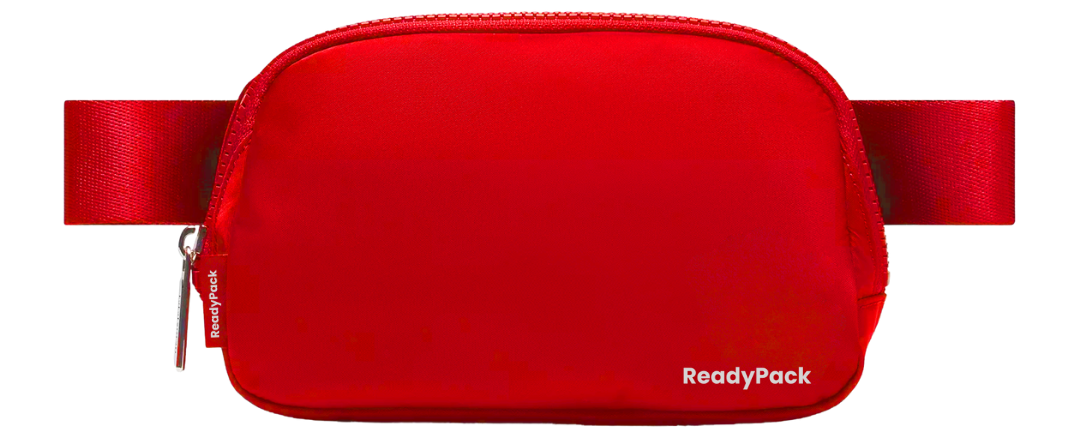
Article: How to use you MiniPack
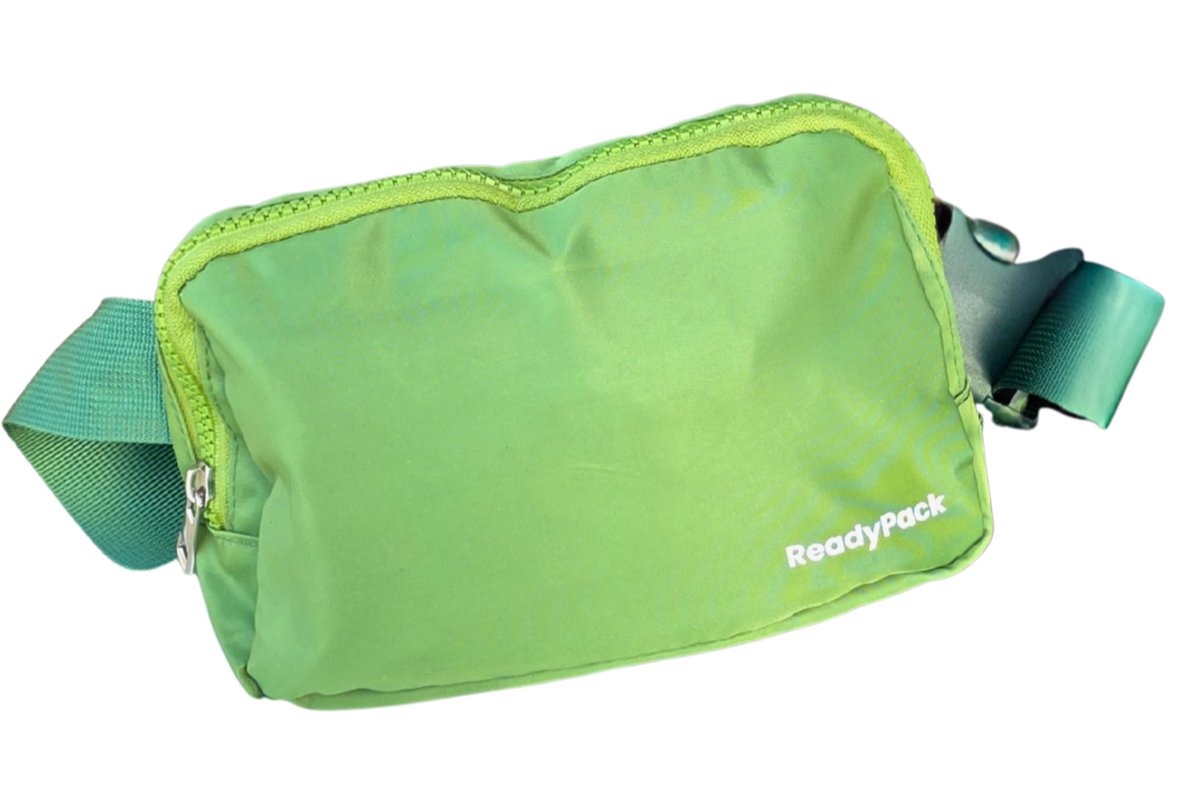
How to use you MiniPack
Your MiniPack is designed for the small, annoying problems that make a hard day feel harder. Anything from long commutes, surprise delays, small injuries, and "I should've packed something for this" moments.
It's not a full emergency kit. It's a calm backup for real life.
Before You Use Anything
Your MiniPack is a mix of first aid, comfort, and practical items.
- Always read and follow the instructions given and on each package.
- Only take medications you've safely used before, or that a healthcare provider has cleared for you.
- For serious symptoms or emergencies, call 91 or seek medical care. This kit is for minor issues only.
What's Inside (and What It's For)
Exact contents may change slightly over time, but most MiniPacks include items in these categories:
- First Aid Basics
- For small cuts scrapes and blisters.
- You might find things like: bandages and blister pads, gauze pads, alcohol or antiseptic wipes, duct tape.
- How to use: clean the area first, cover with a bandage, blister pad, or gauze + tape, change the dressing if it gets wet, dirty, or uncomfortable.
- Use for: new shoe blisters on a long walk or commute, small nicks from daily life, minor scrapes that just need covering.
- Medications
- For minor pain or headaches.
- Your kit may include pain relief / allergy relief medications.
- How to use: only take if you have used that type of medication before without problems. Read the full label and follow the dosage and warnings. Do not give to children unless a healthcare provider tells you it's safe.
- Use for: Headache halfway through the workday. Mild, familiar allergy symptoms.
- Hydration and Water
- For feeling run down, or when clean water may be an issue.
- Your kit may include: electrolyte packets, water purification tablet, and a water ration.
- How to use: Electrolytes - mix with clean water exactly as directed on packet. Water tabs - only use as directed on the packaging. Wait the full time before drinking.
- Use for: long, sweaty summer commutes. Feeling wiped after walking or waiting outside longer than expected.
- Food/Emergency Snack
- For "I've been out way longer than planned", your kit includes a small, shelf-stable snack (typically a bar).
- How to use: eat when you're delayed, stuck, or feeling lightheaded from not eating. Check the expiry date every now and then and replace if needed.
- Use for: Transit delays or long traffic jams. Getting stuck at work or class later than expected.
- Warmth and Light
- For being stuck in the dark, cold, or trying to get attention.
- Your kit may include a hand crank radio, light, and charger.
- How to use: follow the directions on the packet.
- Use for: Power blips on winter nights, waiting for a ride or roadside assistance, walking home in low light.
Where to Keep Your MiniPack
Pick a spot where you'll actually remember it. Not in the back of a closet.
Good options include:
- Commute bag or backpack
- Glove box or center console
- Entryway "grab spot" - by the front door with your keys and wallet
- Desk drawer or locker
If you have more than one MiniPack, you might keep one in your bag and one in the car so that you're covered no matter where you may be.
When to Reach for It
Use your MiniPack when:
- A small injury or annoyance is getting in the way
- You're delayed longer than planned
- You're uncomfortable and just need a bit of relief
Examples:
- A blister on your heel halfway to the GO station
- A headache on the subway home from work
- A long wait in a cold car or at a dark bus stop
- A short power outage where you just need light and a bit of warmth
If you're ever unsure or symptoms feel serious, please seek medical care.
Keeping Your MiniPack Up To Date
Your MiniPack will last longer if you check on it once in a while.
Quick maintenance checklist
Every 6-12 months:
- Open the kit and make sure everything is still there
- Check expiry dates on:
- Medications
- Wipes
- Food Bar
- Water tabs / Electrolytes
- Replace anything that's been used or has expired
- Make sure the zipper still opens smoothly and nothing is ripped
Make It Yours
Your MiniPack is a starting point. You can add:
- Personal medications (in original packaging where possible)
- Extra hair ties, lip balm, or other daily essentials
- A copy of key contacts or emergency numbers
Just don't overpack it. If it gets too bulky or does not close smoothly, you're less likely to carry it.
When the MiniPack is Not Enough
Your MiniPack is for small, everyday emergencies, not big ones.
Call 911 or seek urgent care if you're dealing with:
- Trouble breathing or chest pain
- Severe allergic reactions or swelling
- Heavy bleeding
- Head injury, loss of consciousness, or severe pain
- Any situation that feels like "this is more than a kit can handle"
Your safety always comes before using what's inside of the bag.