
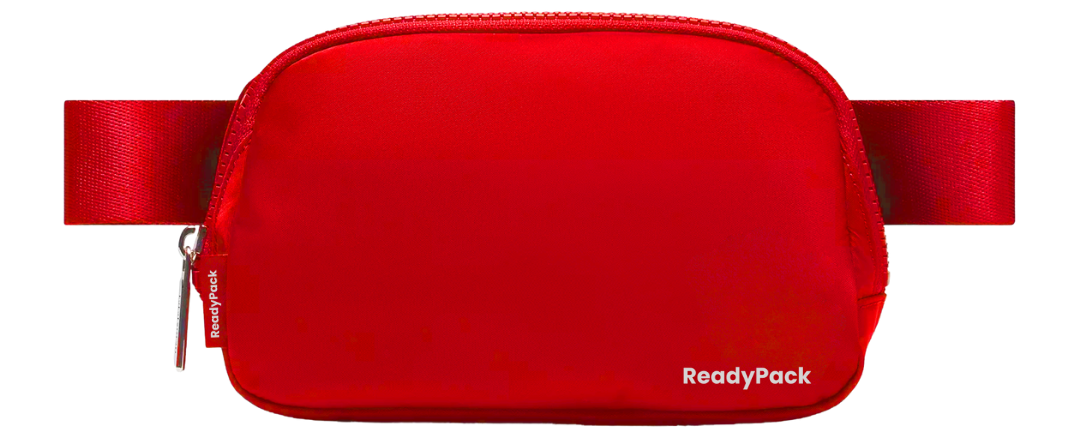
Fire Season Starts april 1. get your essentials now.
Fire Seasons Essentials Kit
A compact Canadian-ready kit for smoke days, sudden evacuations, and everyday preparedness.
Includes respirator masks, flashlight, water, gloves, first aid, and more.
Why people choose readypack
Every ReadyPack kit:
Has Canadian sourced products where possible
Includes curated essentials to take the guesswork out of creating your own kit
Compact for small spaces
Built for Canadian weather
Fast, simple, and for beginners
Prep for fire season
Emergency Guides
What Important Documents Should Be in Your Go Bag?
When people build a go bag, they usually remember flashlights, snacks, and chargers first. Documents tend to get left until later, even though they are some of the hardest things to replace quickly...
Read morePet Emergency Kit Checklist for Wildfire Season
When people think about emergency kits, they often focus on themselves first and only later realize they have not planned for their pet. During wildfire season, that matters because conditions can ...
Read moreFire Season Prep for Families with Kids
Wildfire season can feel especially overwhelming when you have kids, but family readiness is all about deciding a few important things in advance. A family emergency plan should cover safe exits, m...
Read moreWhat to Pack in a Fire Evacuation Kit
If you have to leave your home quickly because of a fire or heavy smoke, you want to make sure that you have everything you need ready so that you're not scrambling. For many households, the hardes...
Read moreWildfire smoke is one of the biggest reasons to prep for fire season, even for those who don't live close to at risk areas. Smoke can affect communities that are far from the fire itself, and durin...
Read moreFire Season in Canada: What To Do Before April 1
Wildfire season starts on April 1st and smoke, poor air quality, evacuation orders, road disruptions, and sudden changes to daily life are likely to come with it. Preparing for fire season before i...
Read more“It’s one of those purchases you hope you never need, but you’re glad to have.”
Christina P., Vaughan
“I bought one for myself and one for my parents. It’s a practical gift people actually appreciate.”
Ryan D., Burlington
“I like that it covers the basics and gives us a strong starting point.”
Nicole T., Hamilton
We created ReadyPack to make emergency preparedness easier, more practical, and part of everyday life. Our kits are thoughtfully curated for real situations (like power outages, severe weather, and unexpected disruptions) so that you can feel ready without the stress of figuring it out on your own.
Need help?
Frequently Asked Questions
Yes! The MiniPack is designed for beginners and as an add-on to any 72-hour emergency kits that you may have at home. Think of the MiniPack as the emergency kit that you can carry with you at all times, instead of a full emergency kit.
Let us know if anything is wrong with your Emergency Essentials Kit within 10 days of you receiving it and we will send you a return shipping label and provide a refund!
No. ReadyPack provides resources and information about what to do in case an emergency happens but we are not an emergency alert system or a replacement for emergency services. Please follow the instructions of your local authorities in case of an emergency.
The vast majority of orders are shipped within 5 days of ordering.